

If you’ve ever stood in the yarn aisle staring at dozens of skeins wondering which one is actually the best yarn for amigurumi, you are definitely not alone.
The truth is, the yarn you choose can completely change how your crochet plushies turn out. Some yarns make stitches crisp and easy to see, while others create a soft and cuddly finish. Some are beginner-friendly, and others can make you want to pull your hair out halfway through a project.
In this guide, I’ll walk you through the best yarns for amigurumi, the pros and cons of each type, and which yarns I recommend for beginners versus more advanced crocheters.
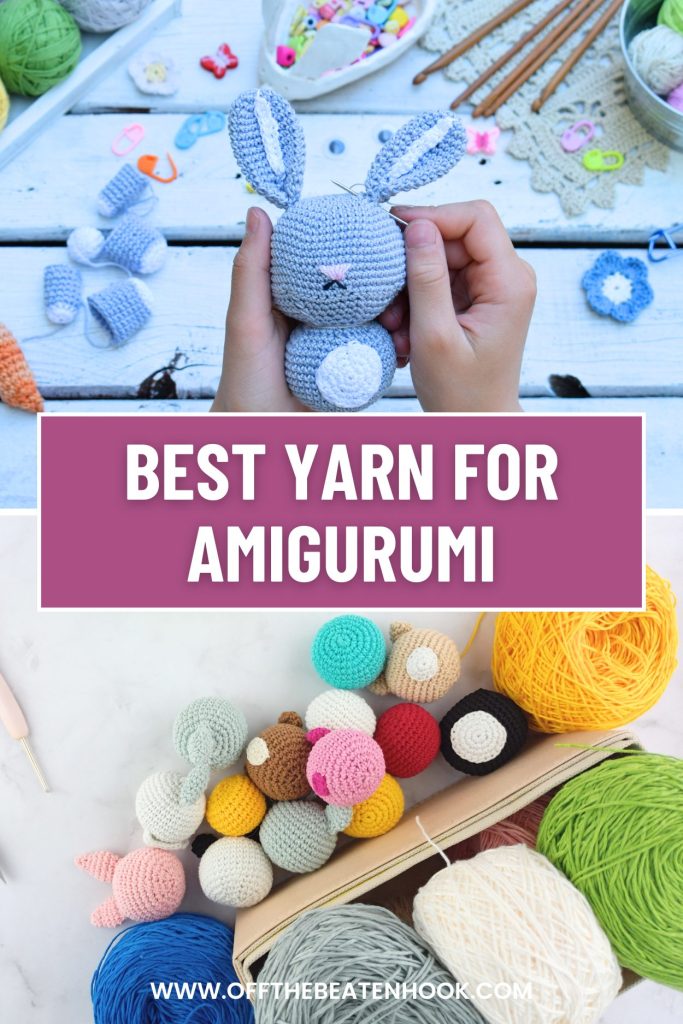
Learn about the best yarn for amigurumi now, or PIN it for later here!
What Makes Good Yarn For Amigurumi?
After making countless crochet plushies, sea creatures, food amigurumi, and cat toys over the years, I’ve learned that there’s no single “perfect” yarn for every project. Instead, the best yarn for amigurumi depends on:
- Your experience level
- The look you want
- The size of your plushie
- How durable the finished project needs to be
Before choosing a yarn, it helps to know what actually matters for crochet plushies. The best yarn for amigurumi usually has:
- Good stitch definition
- Minimal fuzziness
- Durability
- Little to no stretch
- Easy visibility for making stitches
- A soft but structured finish
Unlike garments or blankets, amigurumi relies heavily on tight stitches and shaping. Yarns that are too slippery, fuzzy, or stretchy can make shaping difficult and leave noticeable gaps between stitches.
The Best Types of Yarn for Amigurumi
1. Cotton Yarn (Best Overall Choice)
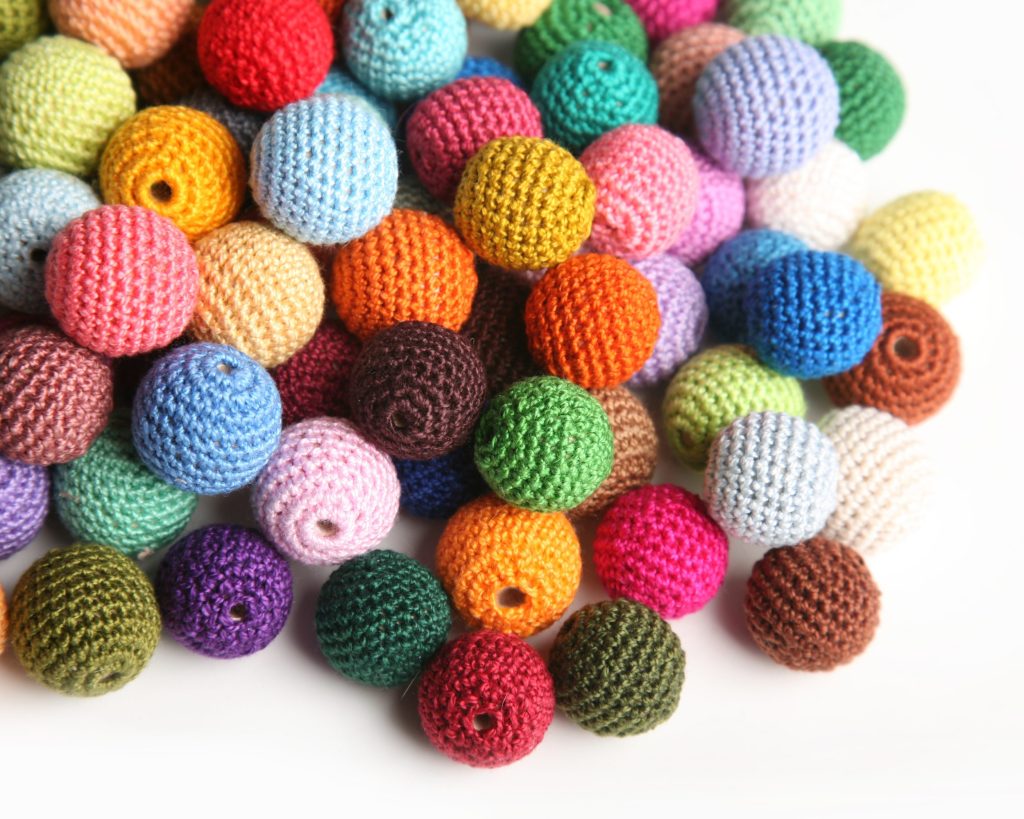
If I could recommend only one type of yarn for amigurumi, it would probably be cotton yarn.
Why Cotton Works So Well
Cotton yarn has incredible stitch definition, which means you can clearly see every stitch as you work. This makes it much easier to:
- count stitches
- shape pieces
- avoid gaps
- create cleaner-looking plushies
Cotton also has very little stretch, which helps amigurumi hold its shape beautifully over time.
Best For
- beginner amigurumi
- food and animal crochet patterns
- decorative plushies
- small details
- market prep items
Here are some great cotton yarn options:
- Paintbox Cotton DK (DK weight)
- Lion Brand 24/7 Cotton (DK weight)
I especially love using cotton yarn for projects like my crochet octopus or my banana pattern because the stitches stay crisp and defined. Take a look and you can see the difference!

2. Acrylic Yarn (Best Budget-Friendly Option)
Acrylic yarn is one of the most popular choices for amigurumi, especially for beginners. It’s affordable, easy to find, and comes in nearly every color imaginable.
Pros
- budget-friendly
- widely available
- lightweight
- washable
- softens over time
Cons
- slightly fuzzier stitch definition
- can pill with heavy use
- more stretch than cotton
Best For
- beginners
- kids toys
- practice projects
Here are some great acrylic yarn options

3. Chenille Yarn (Best for Soft Plushies)
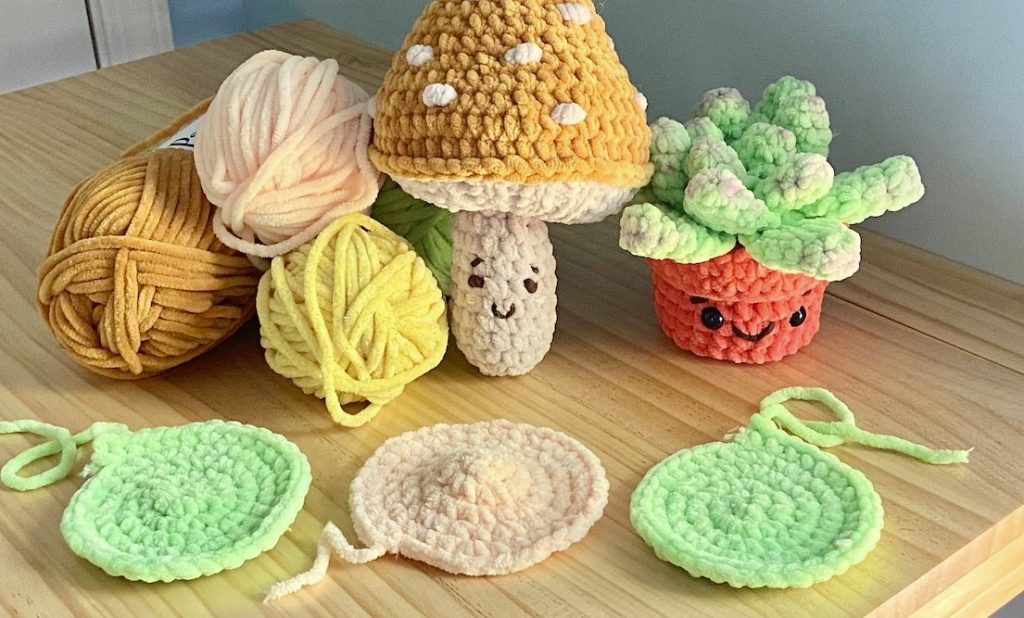
If you’ve seen those super soft velvet crochet plushies all over social media lately, they’re usually made with chenille yarn. Chenille creates an ultra-soft, squishy texture that’s perfect for cuddly stuffed animals.
Pros
- incredibly soft
- trendy plushie appearance
- works up quickly
- great for larger plushies
Cons
- difficult to see stitches
- breaks easily when frogging
- can shed
- not ideal for absolute beginners
Best For
- plush animals
- oversized amigurumi
- pillow-style plushies
- cozy gifts
Here are some popular chenille yarn options
My Personal Favorite Yarn Choice for Amigurumi
Personally, I reach for 100% cotton DK time and time again. The stitch definition just can’t be beat. The extreme durability of cotton means they can withstand the abuse from my kids and still last for years and years. Acrylic and chenille yarns just can’t promise the same. Believe me, I’ve tried.
Best Yarn Weight for Amigurumi
Choosing the right yarn fiber is important, but yarn weight can completely change the size, feel, and overall look of your finished amigurumi.
Different yarn weights create:
- different plushie sizes
- different stitch visibility
- different textures
- and different levels of detail
The good news is that amigurumi can be made with almost any yarn weight once you understand how each one behaves. Here’s a breakdown of the most common yarn weights used for amigurumi and what they’re best suited for.
Lace, Fingering & Sport Weight Yarn (0–2)
Lace and fingering weight yarns are extremely thin and lightweight. They’re not the most commonly used for amigurumi because these yarns create very delicate, miniature amigurumi with tiny stitches and intricate details.
Best For
- miniature amigurumi
- doll accessories
- earrings and jewelry
- keychains
- highly detailed projects
Pros
- beautiful detail
- lightweight finish
- polished appearance
- ideal for tiny projects
Cons
- slower to work up
- difficult for beginners
- requires patience and precision
- tiny stitches can strain hands and eyes
Recommended Hook Size
Typically: 1.5 mm – 2.75 mm
Helpful Tip
When using very fine yarn, good lighting becomes incredibly important. Stitch markers can also help prevent losing your place in tiny rounds.
DK Weight Yarn (3)
DK (Double Knitting) weight yarn is one of my personal favorite yarn weights for amigurumi. It creates plushies that are detailed without being tiny and works beautifully for both beginners and experienced crocheters.
Best For
- crochet food
- crochet animals (like sea creatures!)
- decorative amigurumi
- medium-small projects
Pros
- excellent stitch definition
- manageable size
- less bulky than worsted
- polished finished look
Cons
- slightly slower than worsted weight
- not as widely available in some stores
Recommended Hook Size
Typically 2.5 mm – 3.5 mm
I especially love DK weight cotton yarn for smaller amigurumi projects because it creates clean stitches and beautiful shaping without making the finished plushie too bulky.
Worsted Weight Yarn (4)
Worsted weight yarn is probably the most versatile and beginner-friendly yarn weight for amigurumi. If you’re new to crochet plushies, this is usually the easiest place to start. Most beginner amigurumi patterns are written using worsted weight yarn because it’s easy to find and easy to work with.
Why Worsted Weight Is So Popular
It strikes a great balance between:
- stitch visibility
- speed
- softness
- accessibility
- and project size
Best For
- beginner amigurumi
- everyday plushies
- crochet toys
- medium-sized stuffed animals
- practice projects
Pros
- easy to see stitches
- works up fairly quickly
- widely available
- huge color variety
- beginner-friendly
Cons
- can feel bulky for tiny details
- lower-quality yarns may pill
Recommended Hook Size
Typically: 3.5 mm – 5.0 mm (though many amigurumi makers size down significantly for tighter stitches.)
Bulky Weight Yarn (5)
Bulky yarn creates larger, softer plushies that work up much faster than smaller yarn weights. I use bulky weight yarn for my giant octopus pattern and she’s so big and squishy! This is a great option if you:
- enjoy quick projects
- sell at craft fairs
- want oversized plushies
- or simply don’t enjoy working with tiny stitches
Best For
- oversized plushies
- market prep
- pillow-style amigurumi
- cozy plush decor
Pros
- very fast projects
- soft and squishy feel
- fewer stitches required
- beginner-friendly stitch visibility
Cons
- less detailed shaping
- can create larger gaps if tension is loose
- uses more yarn
Recommended Hook Size
Typically: 5.0 mm – 6.5 mm
Super Bulky & Jumbo Yarn (6–7)
Super bulky and jumbo yarns exploded in popularity thanks to social media plushie trends. Most super bulky amigurumi are made using chenille or blanket yarns. The book “The World of Jumbo Amigurumi” is filled with 30 easy patterns completely devoted to creating jumbo amigurumi. These yarns create:
- giant plushies
- ultra-soft stuffed animals
- chunky statement pieces
Best For
- giant plushies
- ultra-soft toys
- beginner-friendly fast projects
- trendy plush crochet
Pros
- extremely fast to work up
- soft and cuddly
- dramatic finished size
- excellent for gifts and markets
Cons
- stitches can be difficult to see
- chenille yarn can snap while frogging
- harder to create detailed shaping
- can become expensive due to yarn usage
Recommended Hook Size
Typically: 9.5 mm – 10 mm+
Important Beginner Tip
While jumbo plushies look beginner-friendly, chenille yarn can actually be frustrating for brand-new crocheters because the stitches are harder to identify.
How Yarn Weight Affects Finished Amigurumi Size
One of the most important things to understand about amigurumi is:
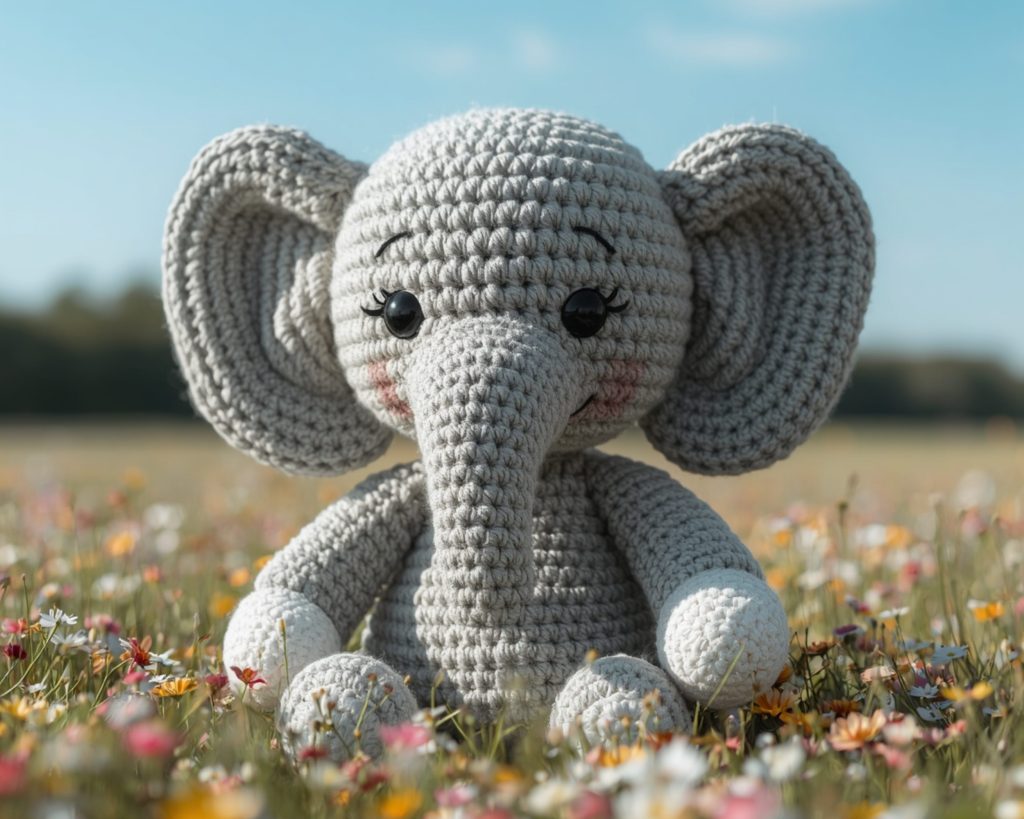
changing yarn weight changes the finished size of your project.
For example:
- fingering weight yarn may create a 3-inch plushie
- worsted weight may create a 7-inch plushie
- bulky chenille yarn may create a 14-inch plushie
This means you can often use the exact same pattern with different yarn weights to create:
- mini versions
- oversized versions
- decorative versions
- keychains
- giant plushies
Best Yarn for Beginner Amigurumi
If you’re just starting out, I highly recommend:
- cotton or cotton blends
- light-colored yarn
- worsted weight yarn
- smooth texture yarn
Avoid These as a Beginner
- black yarn
- fuzzy yarn
- embroidery yarn
- slippery yarn
- ultra-dark chenille yarn
Trust me… trying to count stitches in black fuzzy yarn as a beginner is a special kind of chaos.
Tips for Choosing the Best Yarn for Amigurumi
Choose a Smaller Hook
Most amigurumi patterns use a hook smaller than the yarn label recommends. This creates tighter stitches and helps prevent stuffing from showing through.
Use Light Colors When Learning
Lighter yarn makes it much easier to see:
- stitch placement
- increases
- decreases
- mistakes
Consider the Final Use
Ask yourself:
- Is this toy for a child?
- Is it decorative?
- Will it be washed often?
- Does it need to hold shape?
Different projects need different yarn qualities.
FAQ & Terms
Smooth worsted weight cotton or acrylic yarn is usually best for beginners because the stitches are easier to see and count.
Cotton provides better stitch definition and structure, while acrylic is softer and more budget-friendly. Both work well depending on the project.
Worsted weight yarn is the most versatile and beginner-friendly option for amigurumi.
Yes! Blanket yarn and chenille yarn are popular for soft plushies, though they can be harder to work with for beginners. And remember, your amigurumi will be big!
Final Thoughts ✨
Choosing the best yarn for amigurumi doesn’t have to feel overwhelming.
If you’re a beginner, start simple:
- smooth yarn
- lighter colors
- worsted weight
- cotton or acrylic fibers
As you gain confidence, you can experiment with chenille yarns, specialty fibers, and different textures to create unique plushies and crochet toys.
And honestly? Some of the best learning comes from simply trying different yarns and discovering what you personally enjoy working with most.
Happy crocheting!
SOCIAL MEDIA YOUR THING?
Connect with me on your favorite social network!
Pin this reference here:
Leave a Reply