
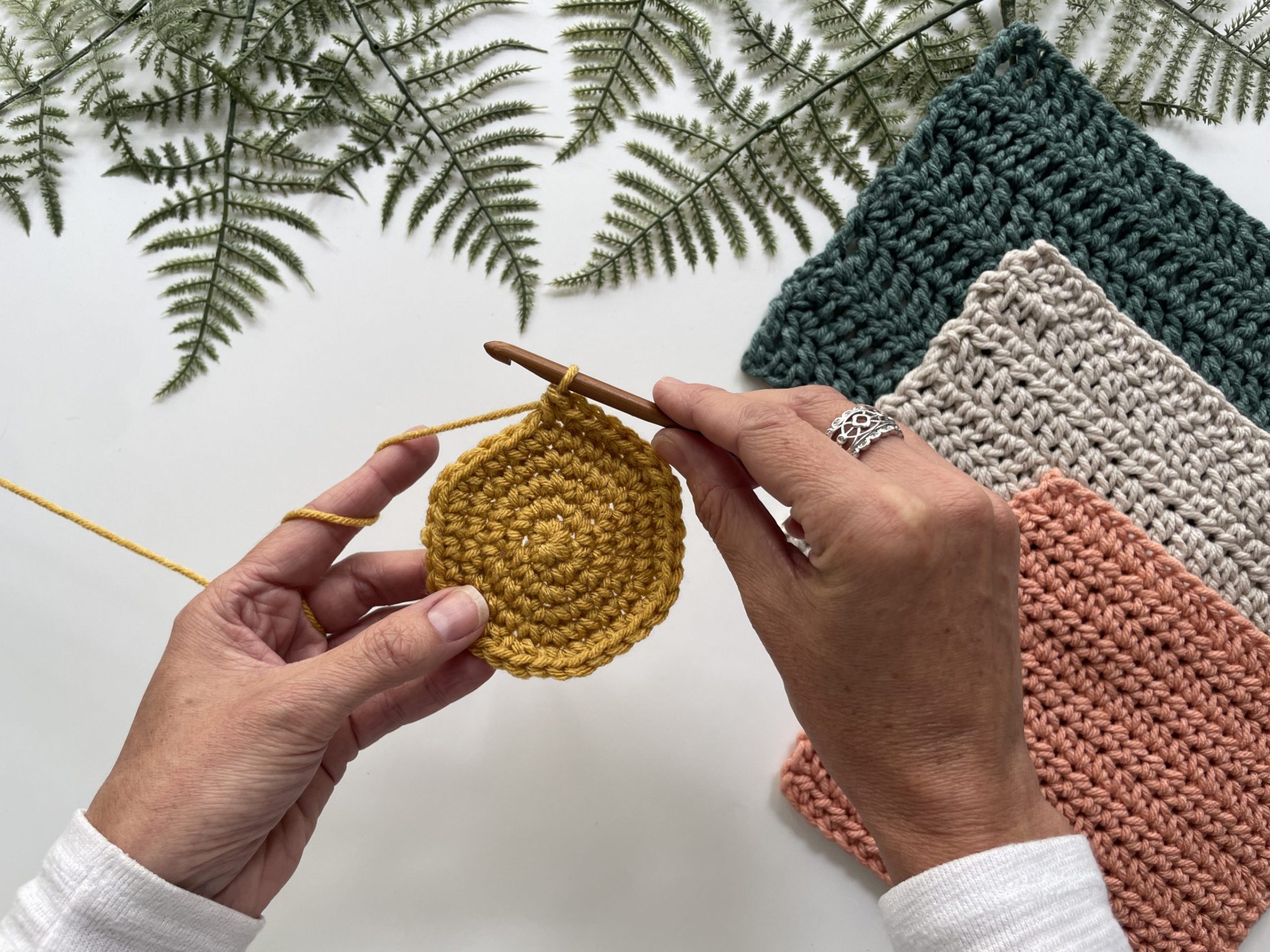
Learning how to make a magic circle in crochet gives you a clean, adjustable way to begin projects that are worked in the round. Also called a magic ring or adjustable ring, this technique allows you to pull the center completely closed instead of leaving that awkward little hole behind.
In this beginner-friendly lesson, I’ll walk you through how to create a crochet magic circle, work your first stitches into it, and pull it securely closed. We’ll also troubleshoot the most common magic-circle problems so you can confidently use this technique in hats, granny squares, amigurumi, baskets, and plenty of other projects.
The magic circle might feel a little fiddly at first—but so did holding your yarn, making a slip knot, and probably several other things you can now do without giving them much thought. Give your hands a little time to figure this one out.
LEARN TO crochet
Module 3: From Stitches to Projects
Lesson 3: How to Make a Magic Circle
This lesson is part of my free Learn to Crochet Course designed to take you from your very first stitch to completing your first projects and beyond.
24 step-by-step lessons with videos.
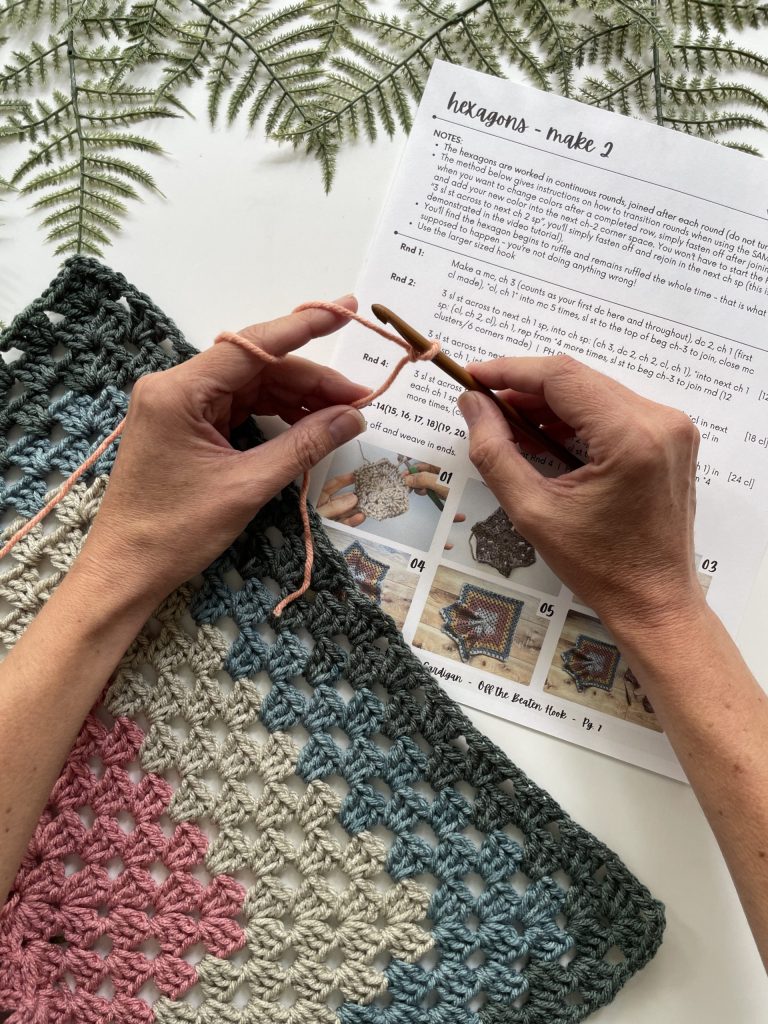
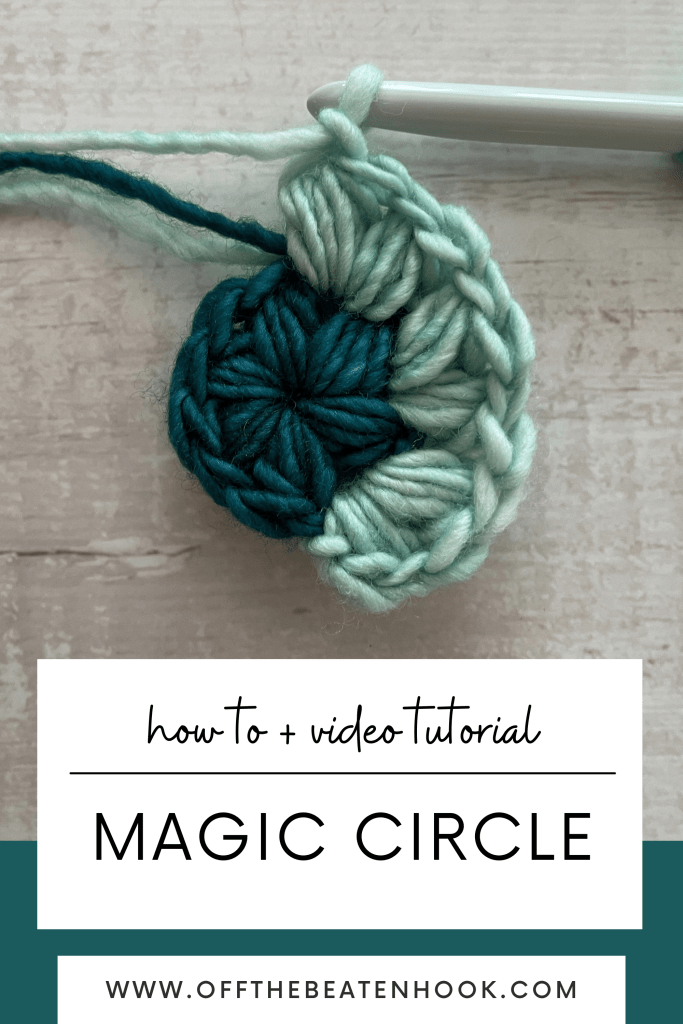
Materials You Will Need For This Lesson
- Worsted (4/Medium) Weight Yarn
- 5.5 mm Crochet Hook (a size 5.0 mm or 6.0 mm will work, if preferred)
- Scissors
- Yarn Needle
- Stitch Markers
A Little Help for Your Crochet Basket
Join and get the free Crochet Pro Essentials PDF Pack, plus gentle course reminders and new lessons in your inbox.
What Is a Crochet Magic Circle?
A crochet magic circle is an adjustable loop used to begin a project worked in the round. After you crochet the first round of stitches into the loop, you pull the yarn tail to tighten the center.
This creates a tidy, nearly invisible center without the hole that can be left when you begin by chaining and joining those chains into a ring.
You may see this technique called several different things:
- Magic circle
- Magic ring
- Magic loop
- Adjustable ring
- Adjustable loop
They all refer to the same technique.
In crochet patterns, a magic circle may be abbreviated as MC or MR.
Some designers prefer “magic circle,” while others use “magic ring.” Always check the pattern’s abbreviation list or special-stitch instructions to see which term the designer uses. Thankfully, you are not being asked to learn two separate pieces of yarn sorcery.
For this tutorial, I’ll primarily use the term magic circle, but the same steps apply whenever a pattern tells you to make a magic ring.
When Should You Use a Magic Circle?
A magic circle is commonly used for crochet projects that begin at the center and grow outward in rounds.
You’ll frequently find it in patterns for:
- Amigurumi
- Hats
- Granny squares and other motifs
- Baskets
- Coasters
- Mandalas
- Bags
- Circular rugs
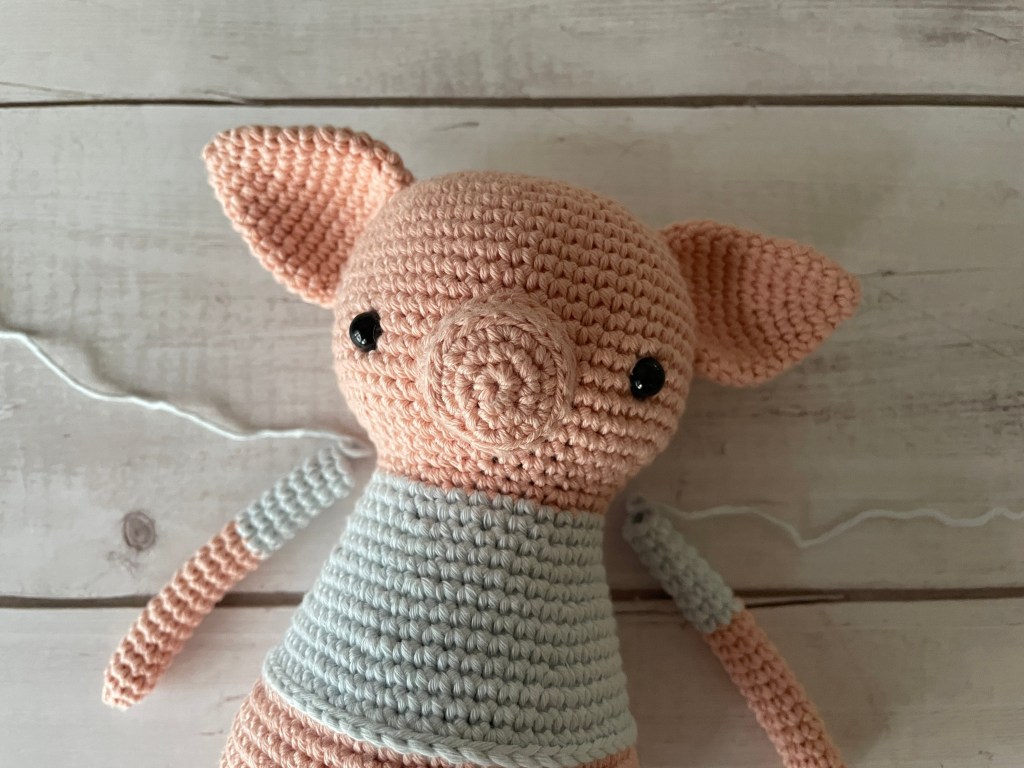
The magic circle is especially helpful for amigurumi because it closes the center tightly, preventing stuffing from showing through the bottom of the finished piece.
You do not need to use a magic circle every time you crochet in the round. Some patterns begin with a short chain that is joined into a ring, while others instruct you to work several stitches into a particular chain. Follow the starting method given in your pattern unless you are comfortable substituting one technique for another.
How to Make a Magic Circle in Crochet:
- Take about 6 inches from the yarn tail and create a loop just like you’re tying a regular ol’ knot – just don’t tighten it closed
- Holding it with your non-dominant hand, flip the circle over so the working yarn end is coming up and over (on top) and dangling towards the back. Hold the circle with your thumb and middle finger to stabilize it.
- Insert your hook through the circle from front to back
- Snatch the yarn and pull it up through the circle
- Yarn over and pull through – this creates a chain to secure your yarn onto your hook

Now What? How to Crochet Into a Magic Circle
Once the loop is formed, work the number and type of stitches called for in your pattern directly into the center of the circle.
For a simple practice circle:
- Insert your hook through the center of the magic circle, making sure your hook passes underneath both the loop and the yarn tail.
- Yarn over and pull up a loop.
- Yarn over again and pull through both loops on your hook to complete one single crochet.
- Continue making single crochet stitches into the center of the circle until you have the required number. Six single crochet stitches are commonly used for amigurumi, but the number will depend on your pattern.
- If you are continuing in a spiral, place a stitch marker in the first stitch of the round.
Try to keep the stitches close together, but do not pack them so tightly that they become difficult to move along the loop.

How to Close a Crochet Magic Circle
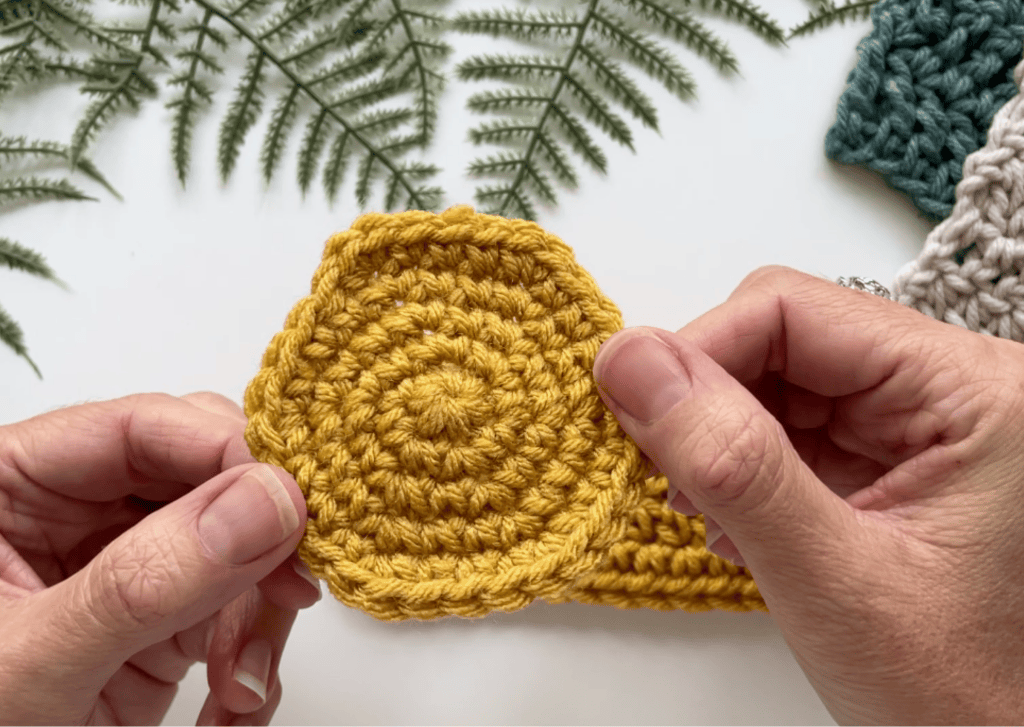
After completing the first round of stitches, hold the stitches with one hand and pull firmly on the yarn tail with the other.
As you pull, the center of the circle will tighten. Continue pulling until the opening is completely—or nearly completely—closed.
You may need to slide the stitches closer together around the loop as you tighten it. Once the center is closed, continue with the next round according to your pattern.
Do not cut the yarn tail short. Leave enough length to weave it securely through the back of your work when the project is complete. The adjustable loop creates the closed center, but thoroughly weaving in the tail helps keep that center secure.
How to Make a Magic Circle in Crochet Video Lesson
Working in Joined Rounds vs. Continuous Rounds
After making the magic circle and completing your first round, the pattern will tell you how to proceed.
With continuous rounds, you move directly into the first stitch of the previous round without joining. The work forms a spiral, so placing a stitch marker in the first stitch of every round is especially important.
With joined rounds, you typically join the last stitch of the round to the first stitch with a slip stitch. You may then make one or more chains before beginning the next round.
The magic circle works with either method. It only creates the adjustable center; the pattern determines how the following rounds are worked.
How to Keep a Magic Circle From Coming Undone
A magic circle should always be finished with a securely woven-in yarn tail.
When it is time to weave in the beginning tail, thread it onto a yarn needle and pass it underneath several stitches on the wrong side of the work. Change direction at least once before trimming the excess yarn.
This is especially important for items that will be stretched, handled frequently, or washed, including hats, bags, rugs, and amigurumi.
Avoid simply pulling the circle closed and cutting the tail. That tiny shortcut can eventually become a surprisingly large hole—which is not the kind of magic we’re going for.
Common Magic Circle Problems
The magic circle can feel awkward when you first learn it. Most problems are caused by how the loop is positioned or by accidentally working around the wrong strands.
Here are the most common issues and how to fix them.
My Magic Circle Won’t Close
First, make sure you are pulling the yarn tail rather than the working yarn.
Your stitches should be worked around both the circular loop and the yarn tail. If the stitches were placed into the wrong part of the loop, the tail may not be able to pull the circle closed.
The stitches may also be packed too tightly around the ring. If you’ve stitched them with a really tight tension, the yarn tail might be quite hard to pull through. Remake your stitches more loosely and try again.
The Circle Tightens in the Wrong Direction
This usually means the yarn was crossed differently when the loop was formed.
The working yarn should be the strand used to pull up your first loop and create your beginning chain. The shorter strand should remain available as the tail you pull to close the center.
If the wrong strand is moving, release the loop and form it again. Starting over is often faster than entering into negotiations with an uncooperative piece of yarn.
My Stitches Are Twisting Around the Circle
Keep the crossing point of the magic circle pinched firmly between your fingers while making the first few stitches.
The loop will become easier to control as more stitches are added. You can also pause occasionally to slide the stitches together and confirm that they are all facing the same direction.
The Center Opens Again After I Close It
This is incredibly common – especially as you begin to work more rounds around the circle. Pull the tail firmly after completing the first round. Continue to tighten the circle as it becomes loose again. When the project is finished, weave the tail back and forth securely through several stitches on the wrong side.
The tail should not be trimmed until it has been thoroughly woven in.
My Magic Circle Feels Too Difficult
It is completely normal for the magic circle to feel awkward at first. You are holding a loose loop, controlling two yarn strands, maintaining tension, and making stitches—all at the same time.
Practice forming and releasing the circle several times without trying to make an entire project. Once your hands recognize the sequence, the technique becomes much easier.
You can also use the chain method described below while you continue practicing.
An Alternative to the Magic Circle
If a magic circle is not working for you yet, you can begin many circular projects with a short foundation chain instead.
A common alternative is to:
- Chain two.
- Work the required stitches into the second chain from the hook.
Yet another option is to make several chains and join the first and last chains with a slip stitch to form a ring. You can then crochet the first round into the center of that ring.
These methods may leave a slightly more visible opening in the center, but they can still create a perfectly usable beginning.
Magic Circle FAQs
Yes. Magic circle, magic ring, adjustable ring, and adjustable loop are different names for the same crochet technique. Patterns may abbreviate it as MC or MR.
Usually, the chain used to secure the magic circle does not count as a stitch. However, the answer can vary depending on the stitch being used and the designer’s instructions. Always follow the pattern’s stitch-count notes.
The number depends on the pattern. Six single crochet stitches are common when beginning amigurumi, but other projects may use a different number or type of stitch.
Yes. A magic circle can be used with single crochet, half double crochet, double crochet, and many other stitches. Make the beginning chains required for your chosen stitch, then work the stitches into the center of the ring.
You may be pulling the working yarn instead of the tail, or your stitches may be worked around the wrong strands. Confirm that the stitches are worked around the loop and yarn tail, then pull the short tail to close the center.
A magic circle is secure when the yarn tail is woven in thoroughly. Pass the tail underneath several stitches and change direction at least once before trimming it.
No. You can often begin with a short chain or a ring made from joined chains instead. The magic circle is popular because it creates an adjustable center that can be pulled tightly closed.
Absolutely. Left-handed crocheters use the same basic process but hold the hook in the left hand and the yarn in the right. The movement will appear as a mirror image of a right-handed tutorial.
Magic Circle Practice Challenge
Let’s give your hands a chance to remember what they just learned.
For this lesson’s practice challenge:
- Make a magic circle.
- Work six single crochet stitches into the center.
- Place a stitch marker in the first single crochet.
- Pull the yarn tail to close the center.
- Remove the hook, pull the stitches out, and repeat the exercise two more times.
Repeating the process is more useful than making one perfect circle. By the third attempt, you will probably notice that your hands are already moving with more confidence.
If your circle closes and your six stitches remain easy to identify, you have completed the challenge.

You Made a Crochet Magic Circle!
You now know how to make a magic circle in crochet, work the first stitches into it, and pull the center securely closed.
This little loop opens the door to an enormous range of crochet projects—from amigurumi and hats to granny squares, baskets, and circular rugs. If it still feels awkward, repeat the practice challenge a few more times. This is one of those techniques that suddenly clicks after your hands have had enough opportunities to rehearse it.
In the next lesson, we’ll build on your growing crochet skills by learning how increases and decreases change your stitch count and shape your projects.
← Previous Lesson: How to Read Crochet Patterns
SOCIAL MEDIA YOUR THING?
Connect with me on your favorite social network!
Pin This Lesson for Later
Leave a Reply