

If you’ve ever wondered what crochet actually is, you’re in the right place.
Maybe you’ve seen beautiful handmade blankets, cute stuffed animals, or cozy sweaters and thought, I wish I could make that. The good news is—you absolutely can. And you don’t need to be “naturally crafty” or have perfect hands or even know where to begin yet.
This is where we start.
LEARN TO crochet
Module 1: Foundations First
Lesson 1: What is Crochet?
This lesson is part of my free Learn to Crochet Course designed to take you from your very first stitch to completing your first projects and beyond.
24 step-by-step lessons with videos.
So…what is crochet?
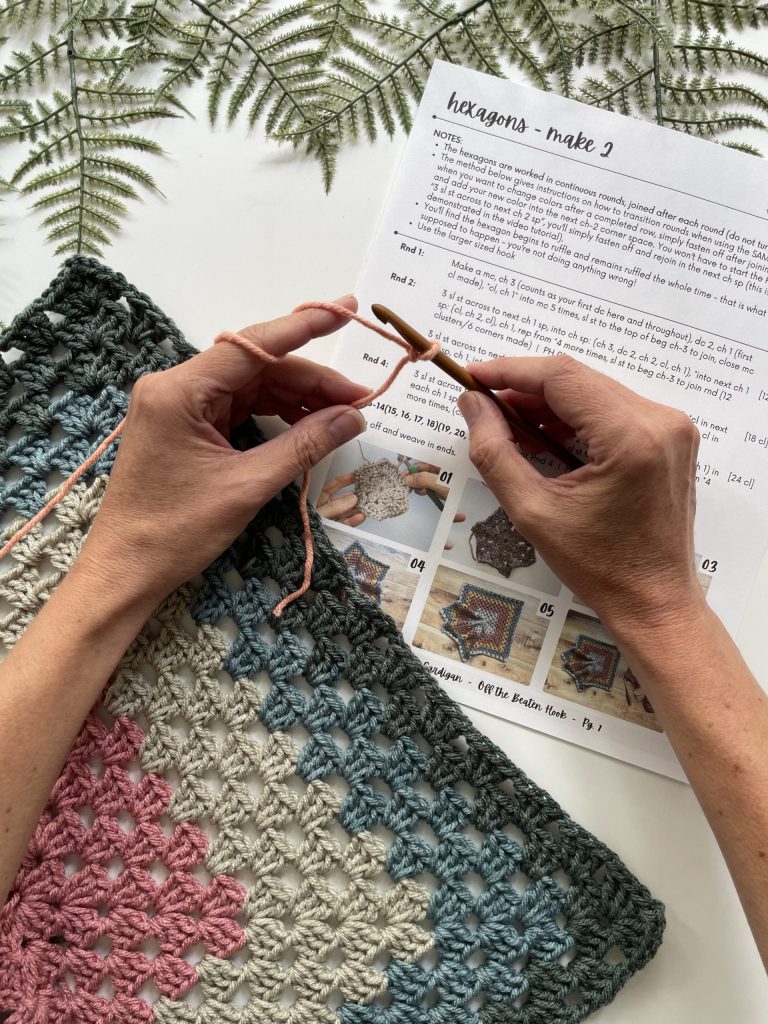
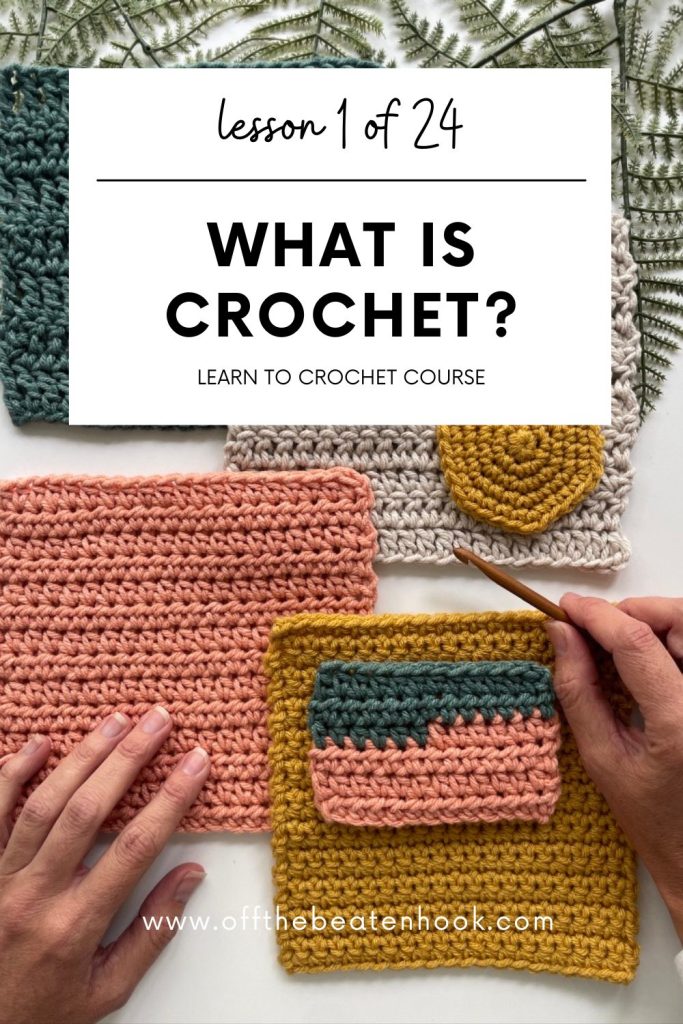
Crochet is a way of creating fabric using a single hook and yarn.
That’s it.
You take one loop of yarn, pull it through another loop, and slowly—stitch by stitch—you begin building something from almost nothing.
It is simple in concept, but incredibly versatile in what it can become.
With the same basic tools and a handful of stitches, you can create everything from a tiny coaster to a full-size blanket, a fitted sweater, a basket, or a stuffed animal with an alarming amount of personality.
Unlike machine-made fabric, crochet is created entirely by hand. That means every piece carries small variations, texture, and personality.
Those little differences are not mistakes.
They are part of the charm.
At its core, crochet is:
- A rhythm
- A skill built through repetition
- A creative way to turn yarn into something useful or beautiful
- Something you learn gradually—not all at once
You do not need to memorize every term, master every stitch, or understand an entire pattern today.
For now, you are simply learning what crochet is and beginning to imagine what you might create with it.
A Little Help for Your Crochet Basket
Join and get the free Crochet Pro Essentials PDF Pack, plus gentle course reminders and new lessons in your inbox.
What Can You Make With Crochet?
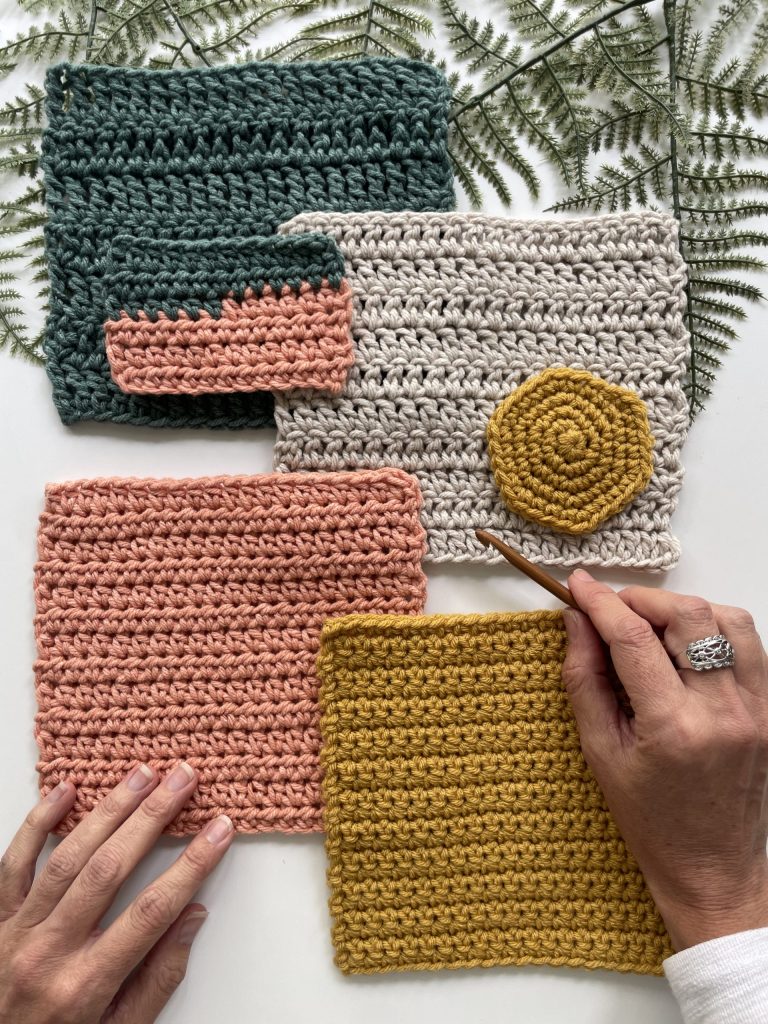
Once you learn a few basic stitches, you can create an incredible range of things.
Crochet is one of those crafts where the possibilities seem to keep expanding the more you learn. You may begin with a simple square and, before long, find yourself confidently announcing that you are going to crochet an entire sweater.
Crochet has a way of doing that.
Here are just a few things you can make:
- Cozy blankets and throws
- Stuffed animals, also called amigurumi
- Hats, scarves, and sweaters
- Bags and totes
- Home décor such as baskets, pillows, and wall hangings
- Gifts for friends and family
- Practical everyday items such as scrubbies, washcloths, and pot holders
And the best part?
You do not have to start with anything complicated.
Most crocheters begin with simple shapes—rows, squares, rectangles, or circles—and slowly build their skills from there.
A blanket is really just a very committed rectangle.
A scarf is a long rectangle.
A washcloth is a small rectangle.
Rectangles are doing a lot of heavy lifting in the crochet world, and we are grateful for them.
Watch the Video Lesson
Crochet vs. knitting: what’s the difference?
People often confuse crochet and knitting, and that is completely understandable.
They are cousins, not twins.
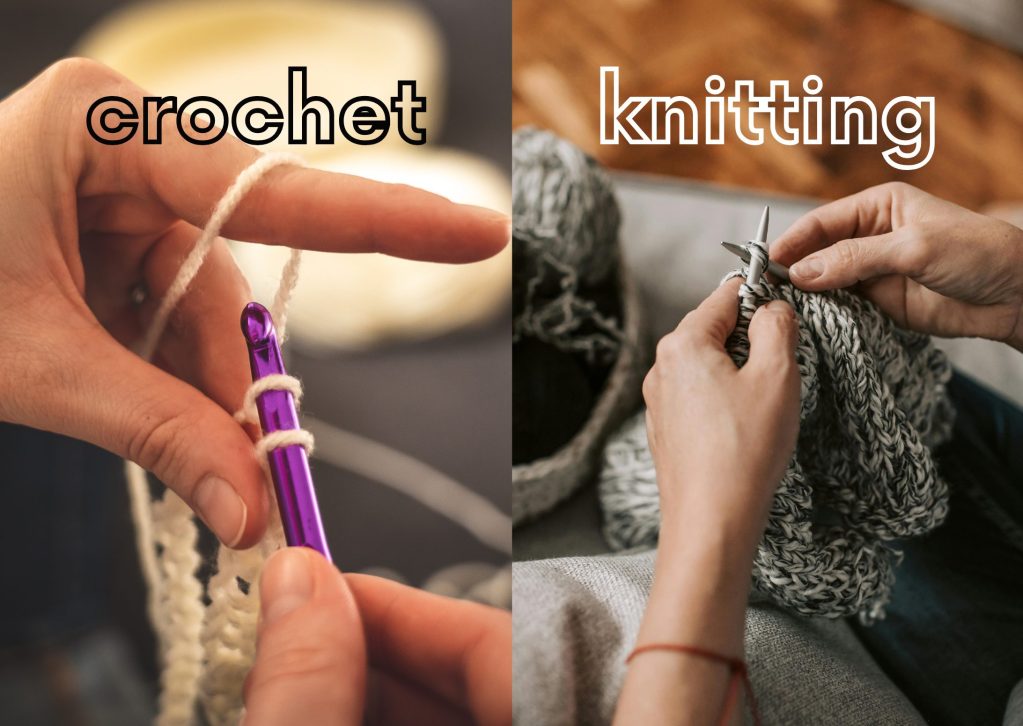
Both crafts use yarn to create fabric, but they use different tools and techniques.
Here is the simplest way to tell them apart:
Crochet uses one hook.
Knitting uses two needles.
In crochet:
- You usually work with one active loop at a time
- You create stitches individually
- It is fairly easy to pause, set your project down, and pick it back up again
- The fabric can be structured, textured, flexible, or drapey depending on the stitch and yarn
In knitting:
- You hold many live stitches on the needles at once
- The fabric is created using a different looping structure
- The finished fabric often has a smooth appearance and beautiful drape
- Managing multiple live stitches can feel a little more intimidating to some beginners
Neither craft is better.
They are simply different ways of turning yarn into fabric.
Some people love both. Some strongly prefer one. Some try knitting, decide the two needles are asking far too much of them, and happily return to crochet.
If you are here, we are beginning with crochet because working with one hook and one active loop at a time can feel more manageable and forgiving for many beginners.
If You’re New Here, Here’s What You Need to Know
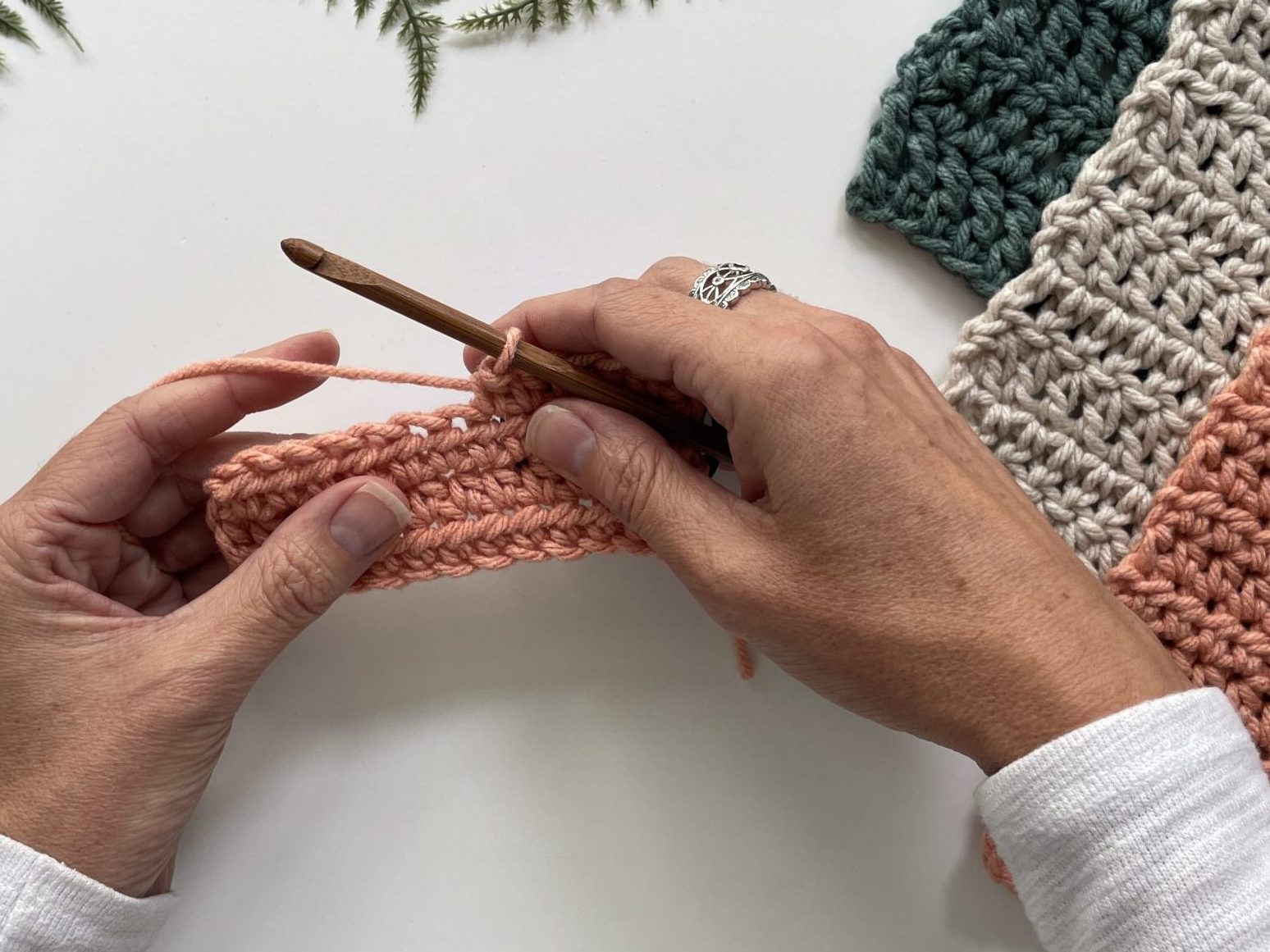
Starting crochet can feel awkward at first.
Your hands may not know where to go. The yarn may feel slippery, tangled, or strangely determined not to cooperate. You may drop loops, lose count, or wonder how everyone in the tutorial seems to have twice as many fingers as you do.
That is all normal.
Crochet is a physical skill, which means your brain and hands are learning a new language together.
At first, every movement requires concentration.
Where does the yarn go?
How do I hold the hook?
Which loop am I looking at?
Why did that stitch suddenly disappear?
With repetition, those movements begin to feel more familiar. Eventually, your hands will know what to do without needing quite so much supervision from your brain.
You are not supposed to be good at crochet immediately. You are supposed to be learning.
There is a big difference.
Beginner Crochet FAQs
Not at all! Crochet is a skill that anyone can learn with time, patience, and practice. Like learning any new hobby, it can feel awkward at first because your hands are doing something they’ve never done before. But with simple, step-by-step guidance and a little repetition, those movements will start to feel natural.
Remember: progress over perfection. Your first stitches don’t need to look perfect—they just need to be your first stitches.
Most beginners can learn the basic crochet stitches in just a few days of practice. However, becoming comfortable with holding the yarn, maintaining even tension, and reading patterns takes time.
The good news is that you don’t need to master everything before you start making projects. Many beginners can create simple crochet items after learning just a few foundational skills.
One of the best things about crochet is that you do not need a huge collection of tools to begin.
The basic crochet supplies are:
- Yarn
- A crochet hook
- Scissors
- A yarn needle for weaving in ends
- Stitch markers, which can be very helpful for beginners
That is really all you need.
You do not need every hook size, twelve types of yarn, or an entire beautifully organized craft room.
Although, fair warning: the yarn collection may happen eventually.
In the next lesson, we will take a closer look at the essential crochet supplies for beginners, so do not worry about choosing everything perfectly yet.nto how to choose the best yarn and crochet hook for beginners, so don’t worry about getting everything perfect right away.
Crochet and knitting are both wonderful fiber arts, and which one feels easier often depends on the person. However, many beginners find crochet easier to learn because you only work with one hook and one active loop at a time.
Crochet is also easier to set down and pick back up, making it a great hobby for busy schedules and little pockets of creative time.
The best beginner crochet projects are simple shapes that allow you to practice your stitches. Great first projects include:
- Washcloths
- Coasters
- Scarves
- Simple blankets
- Basic granny squares
The goal of your first project isn’t perfection—it’s practice and building confidence.
Absolutely not! Crochet is a hobby that can be learned and enjoyed at any age. Whether you’re a child, a teenager, a busy parent, or someone discovering a new hobby later in life, it’s never too late to pick up a hook and learn something new.
Beyond creating beautiful handmade items, many people find that crochet becomes a meaningful form of self-care. The repetitive motions and focused attention can feel calming and meditative, helping to reduce stress and create moments of mindfulness throughout the day. Many crocheters also enjoy the sense of accomplishment that comes from making something with their own two hands, which can boost confidence and bring a sense of joy and purpose.
Crochet can also provide opportunities for connection through classes, online communities, and sharing handmade gifts with loved ones.
No matter your age or experience level, your first stitch can be the beginning of a hobby that brings creativity, relaxation, and fulfillment for years to come.
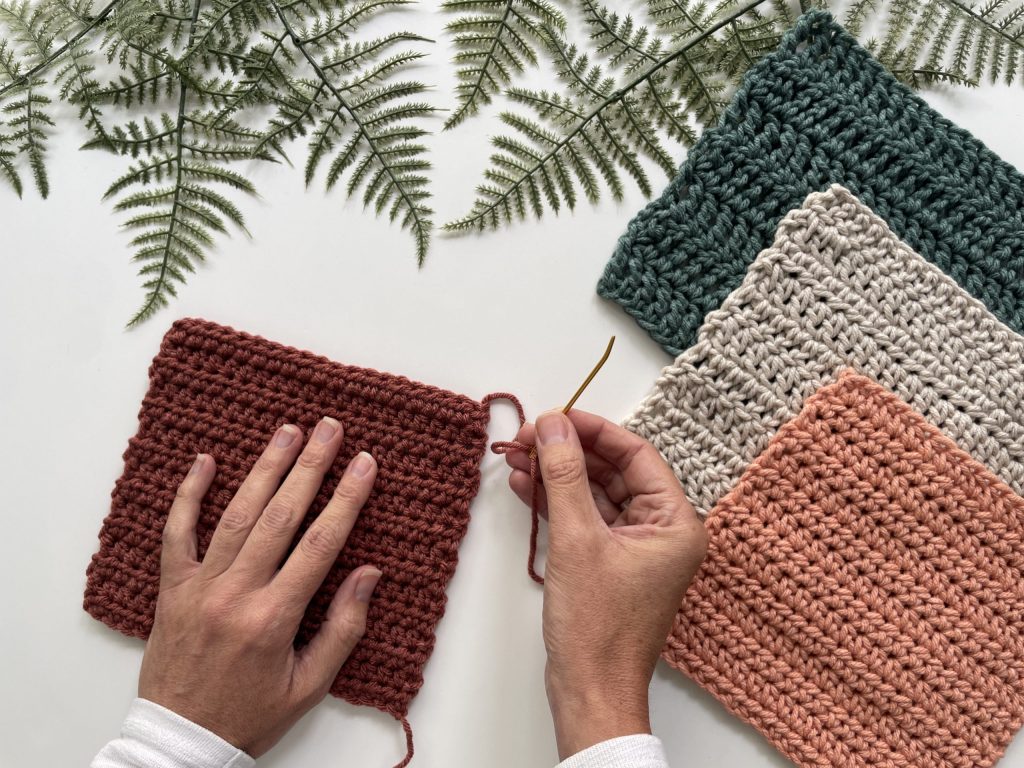
Progress over perfection
One of the most important ideas we will return to throughout this course is this:
Progress over perfection.
Your first stitches may not look like the polished crochet projects you see online.
They are not supposed to. They are your starting point.
Every crocheter you admire once made uneven chains, missed stitches, split yarn, held the hook awkwardly, and stared at a project wondering what on earth had just happened.
The difference is not natural talent. It is time and repetition. You are not trying to prove that you are already good at crochet.
So instead of asking:
“Is this perfect?”
Try asking:
“Am I improving?”
Or:
“Does this feel a little easier than before?”
You are giving yourself the opportunity to become good at crochet. That’s the real path forward.
What This Course is Here for
This lesson is the beginning of your crochet journey, but it is also the first step along a much bigger path.
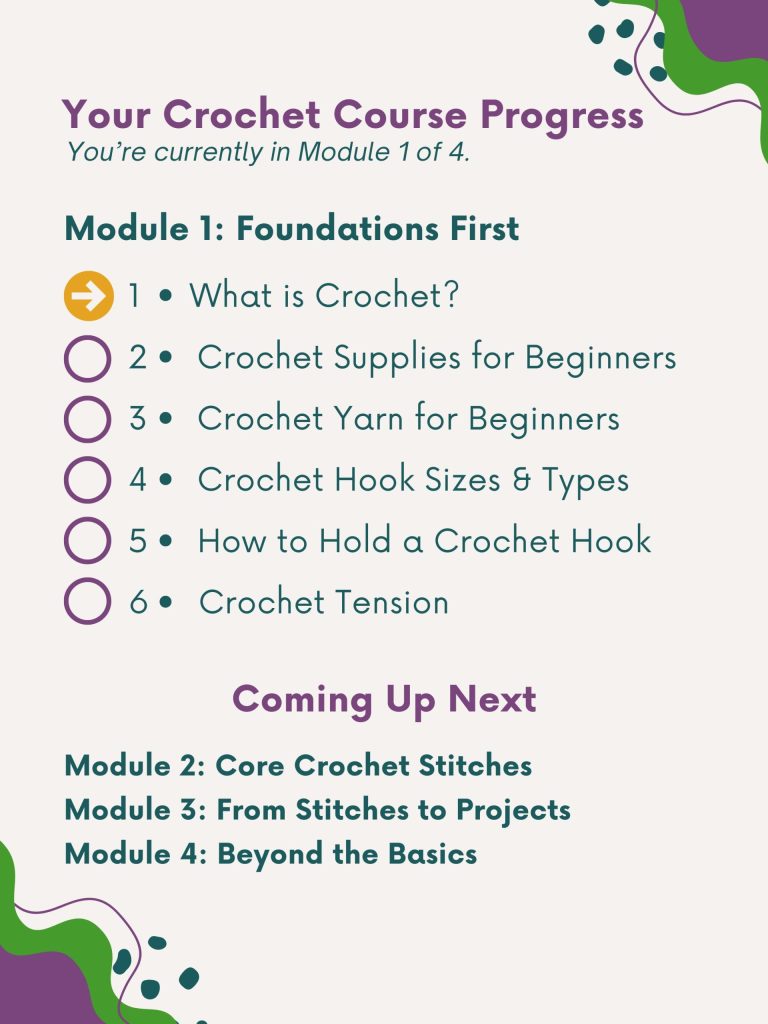
Throughout this free Learn to Crochet Course, we will move step by step through:
- Understanding crochet supplies
- Learning about yarn and crochet hooks
- Holding the hook and yarn comfortably
- Making your first chains and stitches
- Building real crochet skills
- Counting stitches and rows
- Reading crochet patterns
- Crocheting in rows and rounds
- Fixing common mistakes
- Completing your first projects
You do not have to figure everything out alone.
You do not need to jump ahead.
You do not need to remember every single thing the first time you hear it.
We will build your skills piece by piece, lesson by lesson, and stitch by stitch. For now, there is no pressure and no expectation that you already know what you are doing.
There is just yarn, a hook, and the beginning of something you can truly grow with.
Let’s begin.
You’re Ready to Start Crocheting!
You now know what crochet is, what you can make with it, and what to expect as you begin learning.
In the next lesson, we will talk about the essential crochet supplies for beginners.
You will learn which tools you actually need, what each one is used for, and what you can safely leave on the craft-store shelf for now.
SOCIAL MEDIA YOUR THING?
Connect with me on your favorite social network!
Pin This Lesson for Later

Leave a Reply