

If you’ve ever stood in the yarn aisle wondering where to start, you’re not alone. There are hundreds of colors, textures, fibers, and weights to choose from, and when you’re just learning to crochet it can feel overwhelming when it comes to choosing the right crochet yarn for beginners.
The good news is that you don’t need expensive or specialty yarn to get started. In fact, choosing the right beginner-friendly yarn can make learning much easier and more enjoyable.
In this lesson, I’ll show you exactly what to look for when choosing crochet yarn for beginners so you can spend less time feeling confused and more time making your first stitches.
LEARN TO crochet
Module 1: Foundations First
Lesson 3: Crochet Yarn for Beginners
This lesson is part of my free Learn to Crochet Course designed to take you from your very first stitch to completing your first projects and beyond.
24 step-by-step lessons with videos.
What Makes a Good Crochet Yarn for Beginners?
When you’re learning to crochet, you want a yarn that helps you see your stitches clearly and is easy to work with.
Look for yarn that is:
- Smooth rather than fuzzy
- Medium thickness
- Light-colored
- Soft but not slippery
- Affordable enough that you won’t worry about making mistakes
Remember—your first skein doesn’t need to be perfect. It just needs to help you practice.
Choose a Medium Weight Yarn
For beginners, I recommend starting with worsted weight (Weight #4) yarn. It’s the most common yarn you’ll find in craft stores, and many beginner crochet patterns are written using this weight.
A worsted weight yarn is thick enough to easily see your stitches without being bulky or difficult to handle. If you’re following along with my beginner course, this is the yarn we’ll be using throughout all of the lessons.
A Little Help for Your Crochet Basket
Join and get the free Crochet Pro Essentials PDF Pack, plus gentle course reminders and new lessons in your inbox. The PDF pack includes an ultimate guide to yarn weights which is super helpful when learning about crochet yarn for beginners!
Yarn Weights Explained (What Those Numbers Mean)
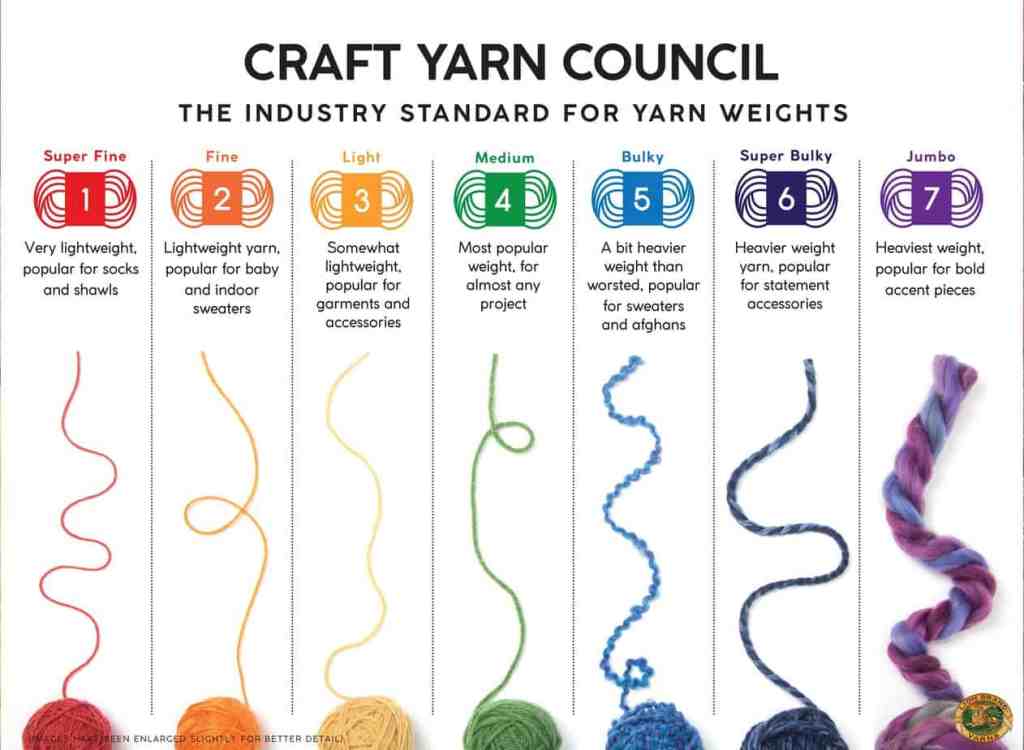
One of the most important things to understand when choosing yarn is yarn weight, which simply refers to how thick or thin the yarn is. This concept (simply because of the naming) can be confusing when learning about crochet yarn for beginners.
Yarn weight affects:
- how large your project turns out
- how quickly it works up
- how warm or lightweight it feels
- how defined your stitches look
The thicker the yarn, the “heavier” it is. There are 8 standard yarn weights which are specified with numbers – zero through seven – with zero being the thinnest/lightest and seven being the thickest/heaviest. They also have common names. For example, size four (4) is called “Medium” and is commonly named “worsted” weight. Here are the weights with their common names:
0: Lace (thread, light, fingering)
1: Super Fine (fingering, sock, baby)
2: Fine (sport, baby)
3: Light (DK, light worsted)
4: Medium (worsted, aran, afghan)
5: Bulky (chunky, rug, craft)
6: Super Bulky (roving, bulky)
7: Jumbo (roving)
You don’t need to memorize all yarn weights right away—most beginners start and stay with just one or two while they learn (commonly #3, #4 or #5). If you want a full breakdown of all yarn weights and how they compare, I’ve created a complete guide which you can find in the resource library here.
Which Fiber Should Beginners Use?
Yarn comes in many different fibers, but you don’t need to know them all to get started.
Acrylic Yarn
Acrylic is one of the most popular beginner yarns because it is:
- Affordable
- Easy to find
- Durable
- Machine washable
- Available in thousands of colors
There’s absolutely nothing wrong with learning on acrylic yarn.
Cotton Yarn
Cotton creates beautiful, crisp stitches and is wonderful for projects like dishcloths and market bags. However, cotton has very little stretch, which can make it slightly more challenging for absolute beginners.
Once you’ve learned the basics, cotton becomes an excellent fiber to work with.
Wool Yarn
Wool is warm, soft, and forgiving because it naturally stretches. However, it tends to be more expensive and often requires special care when washing.

What Color Yarn Should You Choose?
Believe it or not, color matters. The easiest colors to learn with are:
- Light blue
- Sage green
- Cream
- Light gray
- Soft pink
Avoid very dark colors like black or navy when you’re first learning because they’re much harder to see.
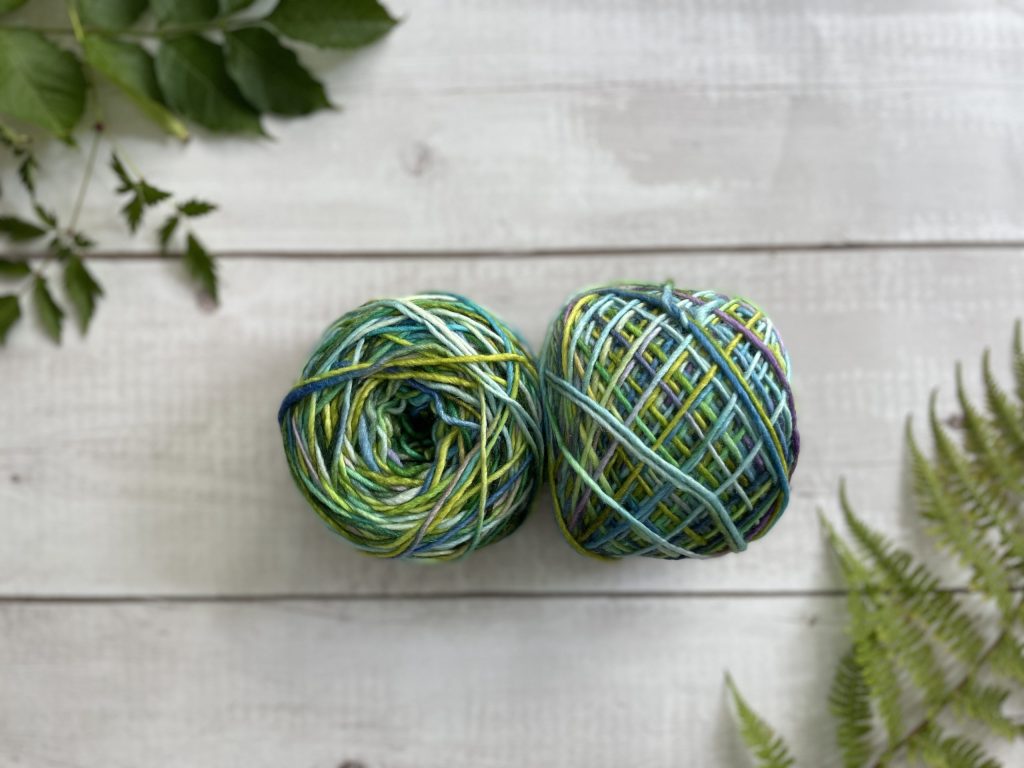
You may also want to avoid highly variegated or multicolored yarn until you’re comfortable identifying your stitches.
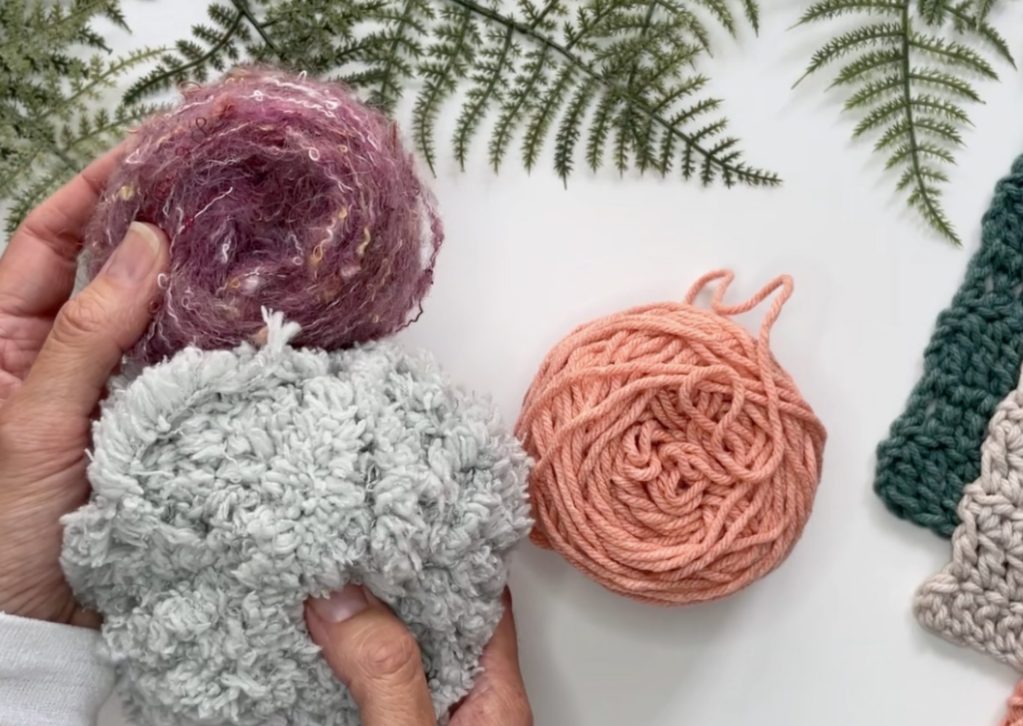
Avoid These Types of Yarn as a Beginner
Some yarns are gorgeous—but they’re much easier to work with after you’ve built some confidence.
I recommend avoiding:
- Eyelash yarn
- Faux fur yarn
- Bouclé yarn
- Very fuzzy yarn
- Extremely thin thread
- Super bulky novelty yarn
- Slippery yarn
These specialty yarns can hide your stitches and make learning much more frustrating.
Now that you know what to look for (and what to avoid), let’s learn how to read yarn labels so you can shop confidently anywhere.
Watch the Video Lesson

Understanding Yarn Labels (Beginner Essentials)
Every skein of yarn has a label packed with helpful information. Yarn labels contain a lot of helpful information like weight, fiber content, and care instructions. We’ll cover the basics here so you can get started confidently, but if you want a deeper breakdown, I’ve created a full guide on how to read yarn labels step-by-step.
Here are a few things to look for:
- Yarn weight
- Fiber content
- Recommended hook size
- Yardage
- Care instructions
1. Yarn Weight (the most important part)
This tells you how thick the yarn is (usually shown as a number from 0–7 or words like “light” or “bulky”). If you’re unsure, #4 worsted weight is almost always the most beginner-friendly and versatile choice.
2. Fiber Content
This tells you what the yarn is made of.
3. Recommended Hook Size
This is the manufacturer’s suggestion for what hook size to use. Think of it as a starting point, not a rule. You may adjust based on:
- your tension
- the drape you want
- the project type
4. Yardage
Yardage tells you how long the yarn is—basically, how much you’re getting in the skein or ball.
Depending on the system used, you’ll usually see it listed as a number like:
- 220 yards
- 100 grams / 200 meters
More yardage = more yarn, even if the skein looks similar in size.
This is important because two skeins can look the same, but one may run out much faster than the other.
👉 Beginner tip: Always check yardage when you’re planning a project, especially for blankets or larger items—you may need more skeins than you expect. If you are able to return any extra, I always recommend buying at least 1 or 2 extra skeins over what the pattern calls for to account for mistakes or differences in tension which can affect the amount of yarn used.
5. Care Instructions (Quick Check)
Look here if you want to know:
- Can it be machine washed?
- Does it need to be laid flat to dry?
- Will it shrink or felt?
This is especially important if you’re making gifts or clothing. Don’t get caught up in the minor details of yarn labels now, but when you’re ready, here is a handy printable quick reference guide to yarn labels.

My Recommendation for Your First Skein
If we were shopping together today, here’s what I’d hand you:
✔ Worsted Weight (#4)
✔ Smooth yarn
✔ Light solid color
✔ A trusted, budget-friendly brand
This combination makes it much easier to see your stitches while you practice. Remember, your first skein is for learning—not perfection.
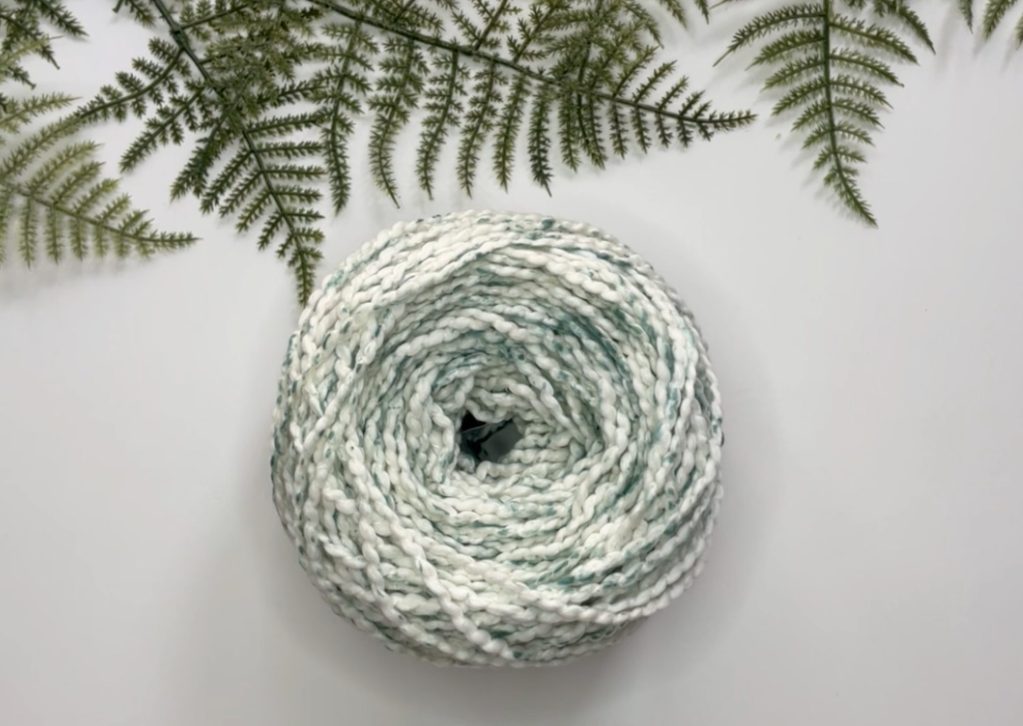
Can You Use Sustainable Yarn?
Absolutely!
I personally enjoy working with more sustainable yarns whenever I can. However, when you’re first learning to crochet, the most important thing is choosing a yarn that’s easy to work with and helps you build confidence.
Once you’ve mastered the basics, you’ll have plenty of opportunities to explore different fibers and more eco-friendly yarn options. This is something I’ve become passionate about, so if and when you’re ready you can start your journey into the world of sustainable yarn here.
FAQs
A
A smooth, worsted weight (#4) acrylic yarn in a light solid color is one of the easiest choices for beginners because it’s affordable, widely available, and makes stitches easy to see.
P
Q
Both can work well, but acrylic is generally easier for beginners because it has a little more flexibility and is less likely to split while crocheting.
Most beginners should start with worsted weight (#4) yarn. It’s the most common yarn used in beginner crochet patterns and pairs well with medium-sized crochet hooks.
Light, solid colors are the easiest because they make each stitch easier to see. Avoid black or very dark yarn until you’re more comfortable identifying your stitches.
Yes, but avoid extremely bulky novelty yarns. A standard worsted weight yarn is usually easier to learn with before experimenting with thicker yarns.
Not at all. An inexpensive, smooth yarn is often the best choice because it allows you to practice without worrying about making mistakes.
You certainly can, especially if you’re making items like dishcloths. Just keep in mind that cotton has less stretch than acrylic, so it may feel a little firmer while you’re learning.
One skein of worsted weight yarn is enough to practice stitches and complete many small beginner projects.
You now know more about yarn than you ever thought you needed to!
Now that you understand how to choose yarn, read labels, and recognize different yarn weights, you’re already ahead of most beginners. Yarn is the foundation of every crochet project—and choosing the right one makes everything else easier.
Next, we’ll move on to the tool that actually brings it all together: your crochet hook.
In the next article, you’ll learn how to choose the right crochet hook size, what the numbers mean, and how hook size affects the way your stitches look and feel.
← Previous Lesson: Crochet Supplies for Beginners
SOCIAL MEDIA YOUR THING?
Connect with me on your favorite social network!
Pin This Lesson for Later
Leave a Reply